10 Indoor Plants for Beginners That Are Almost Impossible to Kill (And Look Beautiful in Any Home)
Indoor Plants For Beginners Easy Care and If you have ever bought a plant only to watch it die within a month, this post is for you. The truth is, most plant deaths happen not because of bad luck but because of the wrong plant for the wrong person. The plants on this list are specifically chosen because they tolerate low light, irregular watering, dry air, and beginner mistakes. They are forgiving, beautiful, and genuinely hard to kill. Start with one and let it change how your home feels.
Why Indoor Plants Are Good for Your Home and Your Mental Health
Indoor plants do something no piece of furniture or decoration can do they make a space feel alive. Research published in the Journal of Physiological Anthropology found that interacting with indoor plants reduces both physiological and psychological stress. Simply looking at greenery lowers blood pressure and reduces cortisol. NASA’s famous Clean Air Study found that certain indoor plants remove toxins like benzene and formaldehyde from the air. And beyond the science, there is something deeply calming about sharing your space with a living, growing thing. Even one plant on a windowsill changes the feel of a room.
The 10 Best Beginner Plants
1. Golden Pothos,The Most Forgiving Plant on Earth
If you are a complete beginner, start here. Golden pothos is so resilient that it is sometimes called “devil’s ivy” because even in conditions that would kill most plants, it keeps growing. It tolerates low light, fluorescent office lighting, irregular watering, and will even grow in a glass of water with no soil at all. Its long trailing vines look beautiful cascading from a high shelf, hanging from a hook, or climbing a simple moss pole. The leaves are a warm green with golden-yellow variegation that catches light beautifully in any room.
Water when the top inch of soil feels dry. That is genuinely all you need to know. A set of terracotta pots gives golden pothos and almost every other beginner plant the best environment to grow terracotta is porous, which means it regulates moisture far better than plastic and prevents the overwatering that kills most beginner plants for a popular set of three sizes.
2. Snake Plant (Sansevieria) Thrives on Neglect
The snake plant is one of the most popular indoor plants in the world for a very good reason it thrives on neglect. It prefers to be ignored rather than fussed over. In fact, the most common way to kill a snake plant is to water it too much. Water it once every 2-4 weeks in summer and once every 6-8 weeks in winter, and it will live for years. It grows in low light, survives air conditioning and central heating, and its upright architectural shape looks striking in any corner of any room. It also produces oxygen at night, making it one of the best bedroom plants you can choose.
3. ZZ Plant , Survives With Almost No Light or Water
The ZZ plant Zamioculcas zamiifolia is what you buy for the darkest corner of your home. It genuinely tolerates very low light and very infrequent watering. Its shiny, deep green leaves store water in their stems and root system, allowing it to survive weeks without being watered. It grows slowly but steadily, stays compact and neat, and never demands attention. If you travel frequently, work long hours, or simply keep forgetting to water your plants, the ZZ plant is your answer.
4. Peace Lily, Beautiful, Air-Purifying, and Forgiving
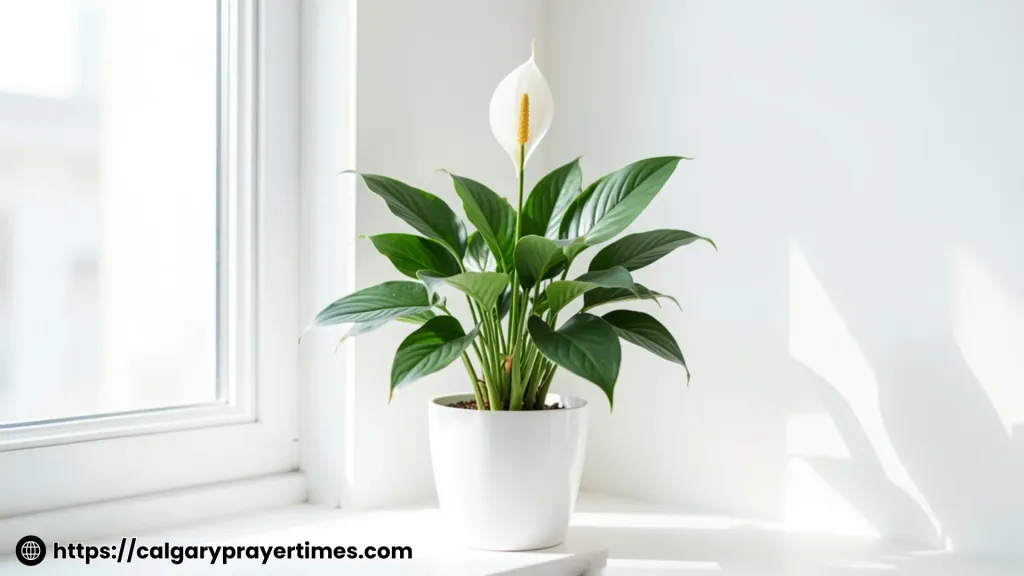
The peace lily is one of very few houseplants that blooms reliably indoors without direct sunlight. Its white flowers are elegant and long-lasting, and its deep green glossy leaves are beautiful even without the blooms. It is one of the plants that NASA identified as effective at removing indoor air toxins particularly ammonia, benzene, and formaldehyde. And it has a built-in warning system that makes it perfect for beginners: when it needs water, its leaves droop slightly. Water it, and within a few hours, it stands upright again. It is almost impossible to overwater or underwater without getting a clear signal first. A self-watering planter is a great option for peace lilies and other plants that prefer consistent moisture it keeps the soil at the right level without you having to monitor it daily for a clean, minimal design that works in any room.
5. Spider Plant, Grows Fast and Almost Impossible to Kill
Spider plants are one of the most cheerful and resilient beginner plants available. They grow quickly, they produce long trailing stems with miniature “baby” plants (called spiderettes) that hang down and look beautiful in a hanging pot or a high shelf, and they tolerate a remarkable range of conditions low light, irregular watering, temperature changes, and dry indoor air. They are also one of the most effective air-purifying plants available, making them as practical as they are pretty.
6. Rubber Plant, Dramatic, Striking, and Easy
If you want a bold statement plant that looks like it belongs in an expensive home décor magazine, the rubber plant is it. Its large, glossy, deep burgundy or dark green leaves create instant visual drama in any room particularly in a corner or beside a sofa. Despite its luxurious appearance, it is genuinely easy to care for. It prefers bright indirect light (not direct sun), needs watering only when the top inch of soil is dry, and responds well to being wiped occasionally with a damp cloth to keep its leaves glossy and dust-free.
7. Aloe Vera, Hardy, Useful, and Almost Self-Sufficient
Aloe vera is a succulent which means it stores water in its thick leaves and needs very infrequent watering. Water it thoroughly once every 2-3 weeks in summer and once every 4-6 weeks in winter, and it will live happily for years. Beyond its ease of care, aloe vera has practical uses in the home the clear gel inside its leaves is one of the most effective natural treatments for minor burns, sunburn, and dry skin. It is one of those plants that earns its place in every home both for how it looks and what it does.
Aloe vera grows best in a cactus and succulent soil mix that drains quickly regular potting soil holds too much moisture and leads to root rot. [Insert link here] for the right mix that gives any succulent the best start.
8. Heartleaf Philodendron, Fast Growing and Beautiful
The heartleaf philodendron is one of the most rewarding beginner plants because it grows so visibly and so quickly. Its heart-shaped, deep green leaves trail beautifully from shelves and hanging pots, and new leaves appear regularly giving you a constant sense of growth and progress. It tolerates low light, prefers to dry out slightly between waterings, and will trail down several feet if given the space and time to do so. It looks beautiful in any room and requires almost no expertise to keep thriving.
9. Chinese Evergreen, Colourful and Extremely Tolerant
Chinese evergreens are the unsung heroes of indoor plants. They come in a remarkable range of colours and patterns deep green, silver-streaked, pink-edged, red-centred and all of them are tolerant of low light, irregular watering, and fluctuating temperatures. They are one of the few beginner plants that add genuine colour variation to a plant collection, rather than just different shades of green. Water when the top inch of soil is dry, keep away from cold draughts, and enjoy watching them slowly but steadily fill out over the months.
10. Succulents, Tiny, Beautiful, and Nearly Self-Sufficient
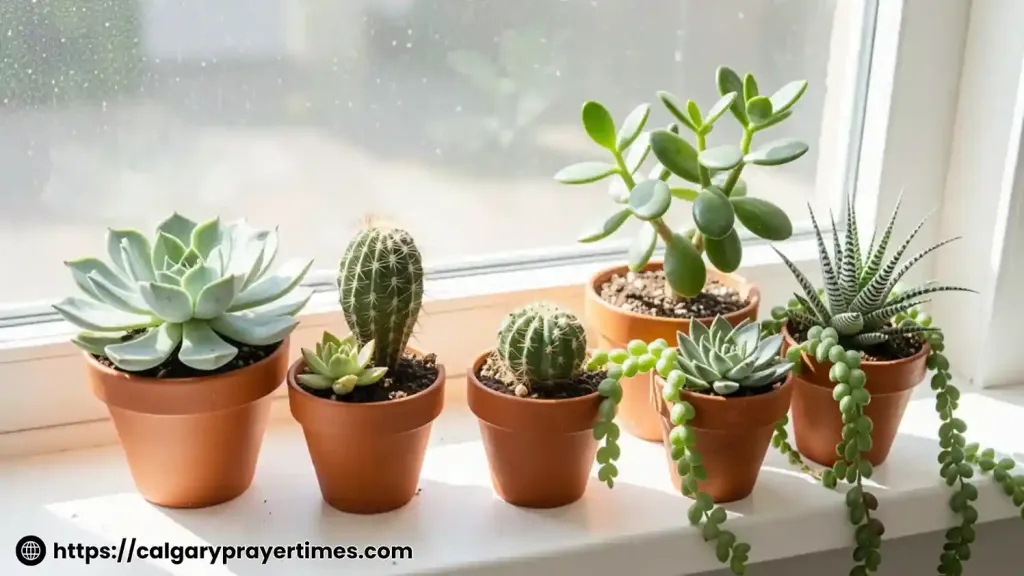
A collection of small succulents in a row of terracotta pots on a sunny windowsill is one of the most Pinterest-worthy and beginner-friendly plant displays you can create. Succulents store water in their leaves and roots, which means they can survive weeks sometimes months without watering. They need bright light (a sunny windowsill is ideal), well-draining soil, and occasional watering. They come in hundreds of shapes, colours, and textures, making them perfect for creating a small curated plant display that looks beautiful and requires almost no maintenance.
How to Choose the Right Plant for Each Room
- Bedroom: Snake plant (produces oxygen at night) or heartleaf philodendron (trails beautifully from a shelf)
- Living room: Rubber plant (bold statement) or golden pothos (trailing from a high shelf)
- Bathroom: Peace lily or spider plant (both love humid air and lower light)
- Kitchen windowsill: Succulents or aloe vera (both love the bright light of a kitchen window)
- Dark corners: ZZ plant or Chinese evergreen (the most tolerant of low light)
- Office desk: Small succulent or ZZ plant (compact, needs little water, thrives in artificial light)
🌿 The 5 Biggest Beginner Plant Mistakes
- Overwatering — This kills more houseplants than anything else. Always let the top inch of soil dry out before watering again. When in doubt, wait. A moisture meter removes all guesswork from watering you simply push the probe into the soil and it tells you instantly if the plant needs water or not for a simple, affordable one that is hugely popular with beginner plant owners.
- Wrong soil — Using regular potting soil for succulents and cacti causes root rot. Use a cactus mix that drains fast.
- Too much direct sun — Most indoor plants prefer bright indirect light, not direct midday sun which scorches leaves.
- Pots without drainage holes — Water that has nowhere to go will rot roots. Always use pots with at least one drainage hole.
- Moving the plant too often — Plants take time to adjust to their light environment. Resist moving them every few days.
❓ Frequently Asked Questions (FAQs)
Your Plant-Filled Home Starts With Just One Plant
Save this to your plant boards and share it with anyone who thinks they cannot keep a plant alive. If you purchase through any links in this post, a small commission supports this blog at no extra cost to you. Thank you! 💙