How Shia Muslims Observe Ramadan Worldwide
Shia Muslims and Ramadan. Shia Muslims Observe Ramadan Worldwide: All Muslims consider Ramadan to be a sacred monthly period where fasting and spiritual reflection form its crucial elements. During this sacred time, Shia Muslims unite their devotion with community activities and rituals that stem from their interpretation of Islamic teachings. The religious activities of Shia Muslims during Ramadan combine Islamic fundamentals with customs that they have developed. The document investigates how Shia Muslims practice Ramadan in worldwide communities while analyzing their Canadian populations to understand their cultural strength in multicultural environments.
Shia Muslims and Ramadan: Pre-Ramadan Preparations
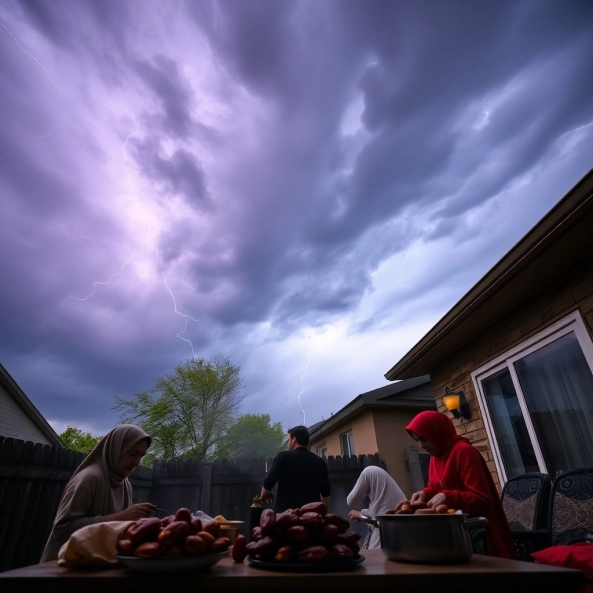
The religious observance of Shia Muslims dates back weeks, leading to the start of Ramadan. Sha’ban’s Mustahabbat (recommended fasts) has become a common practice for Muslims throughout the month to prepare their minds for the upcoming rigour of Ramadan. The important moon sighting process frequently depends on the rulings from their chosen religious authority, named Marja, which produces diverse starting dates compared to Sunni religious groups. Iran and Iraq follow state directives to announce the beginning of the month, while Shia Muslims living in Canada require either local council information or network-based updates.
Shia Muslims and Ramadan: Daily Practices

Shia believers observe daily fasting between Fajr and Maghrib sunsets, as Sunnis do, yet their breaking-fasting timing follows the disappearance of the sunset’s red colour. Shia Muslims perform their daily prayers, including night prayers, after eating dates with water during both their pre-dawn meals and the night breaking of their fast. The recitation of the Quran remains paramount during this time as numerous followers make a goal to finish the entire religious text before Eid. Lebanon and Pakistan organize communal mosque Iftar events as a way to strengthen community bonds, and Canadian families create mixed traditional and local dishes that align with their time constraints.
Shia Muslims and Ramadan: Laylat al-Qadr
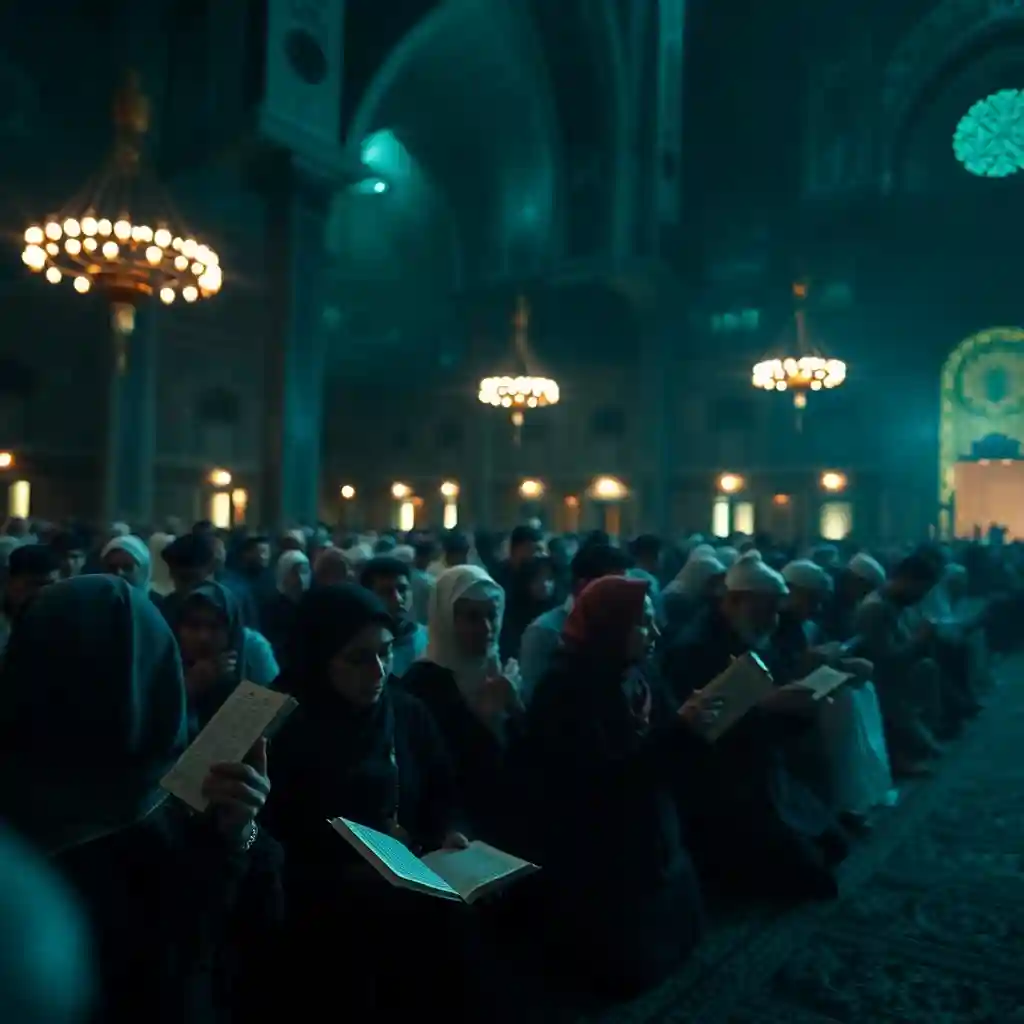
The culmination of Laylat al-Qadr occurs on the 23rd day of Ramadan according to Shia belief, although it is observed on the 19th and 21st days of the month. The nights combine honouring the Quran’s revelation with commemorating how Imam Ali died (and some accept the 21st as the date of his death). The vigils comprise readings of Du’a Kumayl and Quranic recitations as well as shared prayers. At Najaf, thousands of people gather to venerate Imam Ali in Iraqi holy sites, and Canadian mosques organize extended spiritual programs during the night.
Shia Muslims and Ramadan: Charity and Community
During Ramadan, there is a peak in both Zakat (obligatory charity) and Sadaqah (voluntary giving). Food distribution happens through state-organized charities within Iran, but Indian Shia trusts operate free kitchen services. Through their Canadian Council of Imams organization, Shia Muslims run food distribution programs that serve both Canadian communities and maintain ties between various faith groups in the nation.
Shia Muslims and Ramadan: Eid al-Fitr
Eid observances beginning with moon sightings follow a schedule that makes them occur one day after standard Sunni Eid holidays. They observe the day with prayers, sermons, and communal feasting. The Shia population of Bahrain performs cemetery visits to honour their dead, while Canadian Shias organize collective religious services before engaging in multicultural celebrations throughout parks.
Shia Muslims and Ramadan in Canada: Adapting to a Northern Landscape
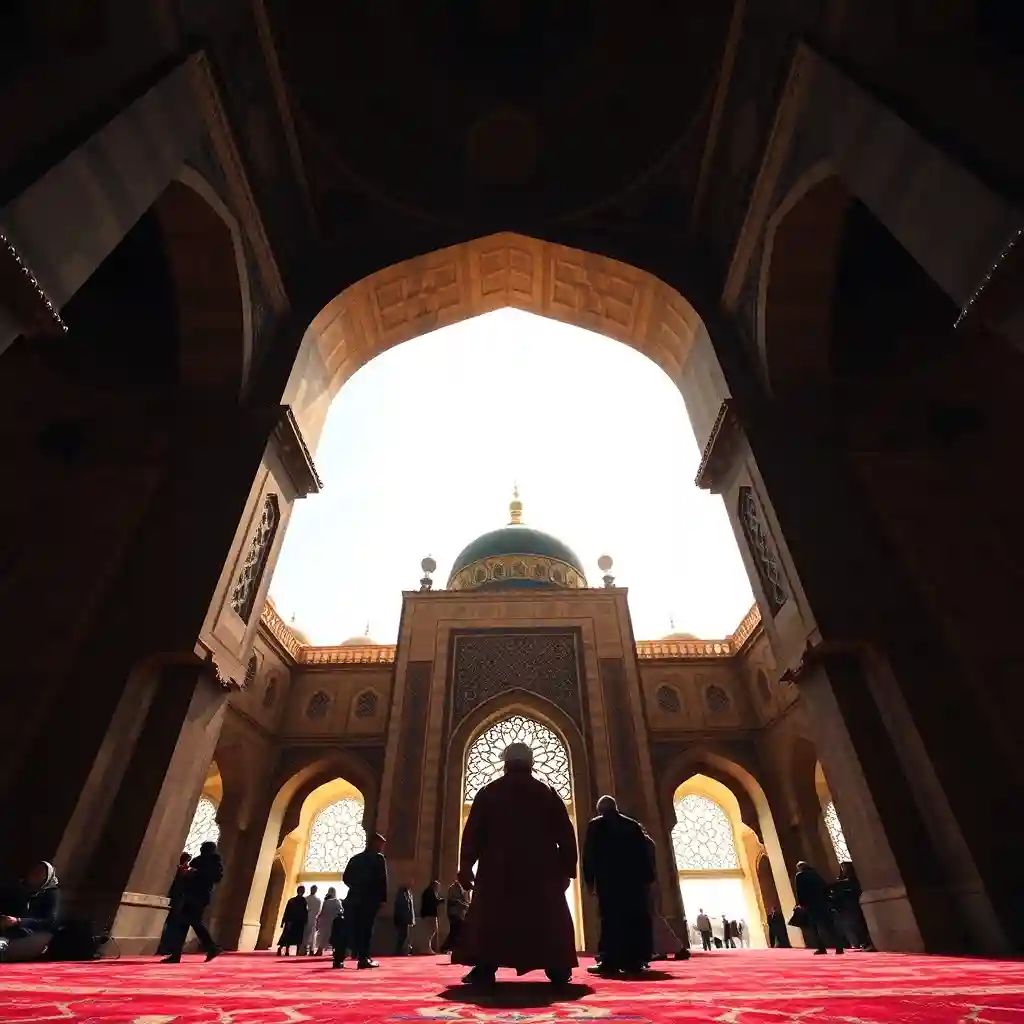
Shia Muslims who reside in Canada face distinct difficulties because their population exceeds 100,000. All religious authorities in the summer grant special permissions to shorten daily prayers, as fasting during these hours reaches up to 18 hours. Toronto’s Jaffari Community Centre, along with other Shia Muslim mosques, offers educational programs together with youth activities to safeguard Islamic traditions. The prayer periods during winter Ramadan are shorter than in the summer, but Suhoor meals become colder, forcing Muslims into virtual religious engagements. When Muslims organize the “Fast-a-Thon” program, they open space for both Muslim and non-Muslim believers to share insights about Ramadan’s timeless ethics.
Shia Muslims and Ramadan: FAQs
Shia Muslims and Ramadan: 5 Best Inspiring Facts for Calgary
Shia Muslims and Ramadan are closely tied to the Quran’s command to fast, and Shia families in Calgary mark the month with nightly prayers, community Iftars and charity. The fast begins at Fajr and ends at Maghrib, and the month closes with Eid al-Fitr after the new moon is sighted.
- Shia Muslims and Ramadan begin with the sighting of the new moon, or by following the announcement of their religious authority.
- Laylat al-Qadr is observed on the 19th, 21st and 23rd nights of Ramadan, with the 23rd night held as the most likely.
- Iftar is broken after Maghrib prayers, once the sun has fully set.
- Zakat al-Fitr is given before the Eid al-Fitr prayer so every family can celebrate.
- Shia Muslims and Ramadan in Calgary include community Iftars and charity drives that bring families together across the city.
Shia Muslims and Ramadan show how one month can unite a whole community in worship and giving. To learn more, read the Quran’s words on fasting (Quran 2:185) and the Wikipedia article on Ramadan, and see our guide to the history and origins of Ramadan and our Ramadan time management guide for Calgary for practical tips during the month.
Shia Muslims and Ramadan: Conclusion
Shia Muslims observe Ramadan through a combination of religious, faithful observance and historical practices aligned with changing personal circumstances. Shia Muslims practice their shared religious customs through Karachi’s energetic streets while following their spiritual traditions in Toronto’s peaceful mosques. The Canadian society demonstrates how diaspora faith exudes both traditional protection and modern adaptation through its blend of cultural values. Shia Muslims worldwide emerge during Eid each month to implement the lessons learned during Ramadan while showing solidarity among religious members.