Understanding the Context of the Greetings Ramadan Mubarak
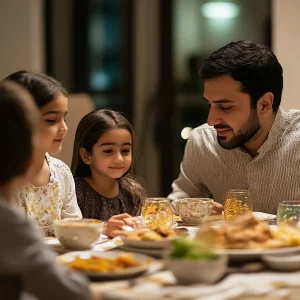
The Context of the Greetings: Ramadan Mubarak Greeting Meaning. Throughout the ninth month of the Islamic calendar, Ramadan is widely celebrated by Muslims across the globe and here in Calgary, Canada, as a time of fasting, prayer, and folklife.
One of the customs practiced as part of Ramadan is the greeting “Ramadan Mubarak” or “Ramadan Kareem,” which refers to “Happy Ramadan.” In this article, I will review the notes of these greetings and how they enhance a sense of association among Muslims and non-Muslims. These phrases do more than just serve as hearsay explanations; in fact, they have more profound implications, framing deep attachment with culture, religion, and emotions.

What the Context of the Greetings Conveys
“Ramadan Mubarak” indicates “Happy Ramadan,” while “Ramadan Kareem” highlights “Have a happy Ramadan.” Both phrases have the same meaning: wishing someone prosperity and spirituality during the holy month. “Kareem” and “Mubarak” alone signify goodness, blessings, and abundance in the month of Ramadan, and so these greetings serve a much greater purpose than just formal statements of season’s greetings. They present an expectation that the person receiving the greetings will receive the full benefits of Ramadan.
The Importance of Ramadan Greetings Culture

Customs concerning the exchange of Ramadan greetings are common in many Muslim-dominated states. At the beginning of the Ramadan fast, as the new moon is seen, greeting messages, calls, and even social media messages begin to be shared. These happiest signals of the start of an experience that involves fasting, praying, and self-discipline in the hope of the holy month of Ramadan.
In Calgary’s diverse Muslim community, you’ll hear the greeting shared in multiple languages at local mosque events and markets, reflecting the city’s inclusive spirit while honoring the greeting’s traditional roots.
For various people, expressing the blessed greetings increases communal relations. It is a form of expression that offers sympathy to those fasting, which, in some cases, is done alone or while being away from home. They alone serve to further the appreciation of a non-Muslim’s understanding of Ramadan and stimulate multicultural discourse.
The Importance of Ramadan Greetings from a Spiritual Perspective

Ramadan greetings foster a culture of Islamic teachings, where there is a common understanding of appreciating what others have. It is believed that these good intentions pour forth from Allah’s heart to fill the recipient with his blessings. For many, wishing good in this holy month is like wishing someone well. By uttering “Ramadan Mubarak,” Muslims express goodness and well-being while allowing ample room to seek Allah’s mercy and compassion.
The greeting serves to confirm the central principles of Ramadan: kindness, giving, and altruism. When Muslims extend a greeting of “Happy Ramadan” or “Generous Ramadan,” they remind each other to live those values throughout the month. It serves as a reminder for Muslims to perform charity, kindness, and worship throughout the month.
The Role of Greetings in Building Bridges
Now, more than ever, the world is highly globalized. People from different cultures, religions, and countries celebrate Ramadan and understand its significance. These greetings are not just limited to Muslims but are being accepted and celebrated globally, and this indeed marks a celebration of Ramadan.
This also goes for non-Muslims, as using these phrases highlights acknowledgment and respect towards the Islamic culture. It is a powerful bridge that breaks cultural and religious barriers. In simple words, by making an effort to understand Ramadan and its core spirit, non-Muslims can learn and admire a whole new world of beliefs.
FAQs Regarding Ramadan Greetings

Conclusion
The exercise of spreading Ramadan greetings is an appreciable ritual that moves cultures and religions. Whether it is ‘Ramadan Mubarak’ or ‘Ramadan Kareem,’ these greetings hold feelings of hope, unity, and spiritual revival. They dig into our memories about the mutual ethics that make us human and dare us to show sympathy, understanding, and kindness.
In connection with a world that is more mixed and interrelated, the simple greeting of the blessed month can notably help to build greater understanding and respect. Muslims and non-Muslims alike are encouraged to extend these greetings in the core spirit of Ramadan.
Sharing a greeting during the holy month is a small gesture with a wide reach in a diverse city. A kind word at the start of the fast, a thoughtful message to a neighbour, or a simple acknowledgement at work can make people feel seen and included. For those who are new to the city, such warmth can ease the distance from family and home. For longtime residents, it is a reminder that the month is shared, not only observed.
The greeting does not need a grand occasion: it suits a text message, a note left for a colleague, or a quiet word after prayers. What matters most is sincerity, and the willingness to learn how others mark the month. When offered with respect, it opens conversations and builds friendships that last well beyond the month itself.