The Hajj Safety Tips and Health Precautions Guide
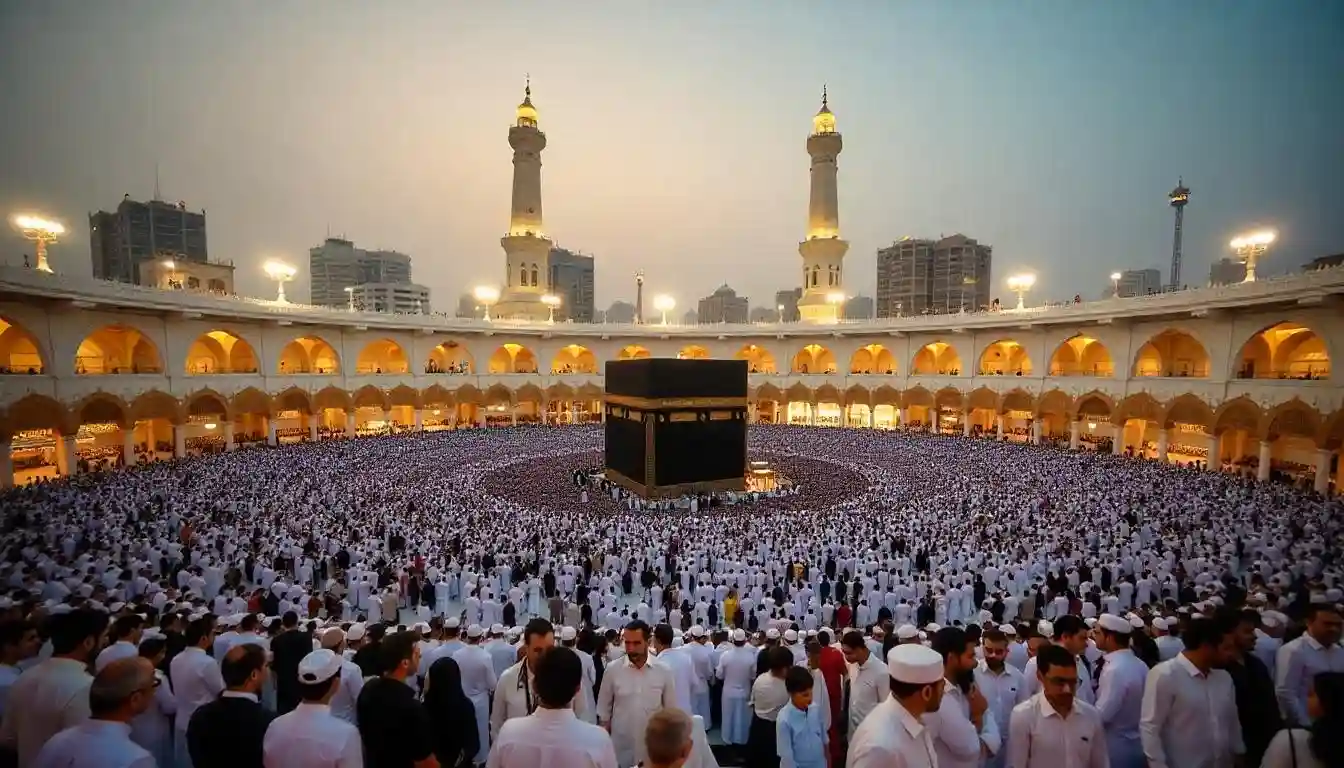
The Hajj Safety Tips and Health Precautions Guide is necessary because Hajj, one of the Five Pillars of Islam, is a mandatory pilgrimage for every able-bodied Muslim who can afford it, typically taking place in the Islamic month of Dhul Hijjah. For 2026, it is expected to take place between May 25 and May 30, with the Day of Arafah on Tuesday, May 26, and Eid al-Adha on Wednesday, May 27, based on lunar calendar sightings. This annual event sees about 1.7 million pilgrims, making safety and health critical due to the scale and environmental challenges.
Detailed Hajj Safety Tips
Safety during Hajj involves mitigating risks from fires, road accidents, crime, and crowd-related incidents. Here’s a breakdown:
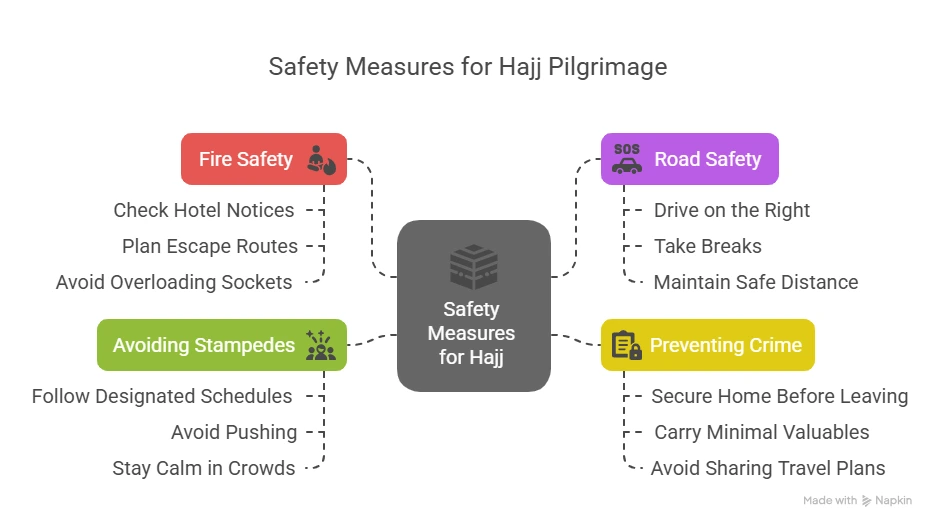
Fire Safety: Given past incidents, such as the 1997 fire causing 300 deaths, pilgrims must check fire safety notices in accommodations. Plan escape routes, keep exits clear, avoid overloading sockets, and never smoke in bed or leave cooking unattended.
Road Safety: In Saudi Arabia, drive on the right-hand side, observe road signs, and drive defensively. Take breaks on long drives to combat fatigue, and maintain a safe distance from vehicles ahead to prevent accidents, as noted in the same source.
Preventing Crime: Before leaving, secure your home by locking doors and windows, set alarms if available, and inform trusted contacts. Avoid sharing pilgrimage plans widely on social media to reduce burglary risks. Carry minimal valuables and keep them secure, as recommended by travel advisories.
Avoiding Stampedes and Crushes: With expected crowds of about 1.7 million, follow schedules by Mutawwif (guides), adhere to designated lanes for the Jamaarat Bridge, and avoid pushing. Proceed calmly, do not carry personal items, and avoid walking against traffic.
Comprehensive Health Precautions for Hajj

Health preparation is essential given the physical demands, heat, and potential for disease spread. Here’s a detailed look:
Vaccinations
- Mandatory Vaccinations: The Saudi Ministry of Health requires the meningococcal meningitis vaccine (ACWY), with polysaccharide valid for 3 years and conjugate for 5 years, administered at least 10 days before arrival, as per Nusuk Hajj Health Guidelines. Polio vaccination is required for those from polio-endemic regions, administered 4 weeks to 12 months before entry. Yellow fever vaccination is mandatory for travelers from prevalent regions and is valid 10 days post-vaccination for life.
We recommend influenza and COVID-19 vaccines, particularly for vulnerable groups. Pneumococcal vaccines are advised for adults over 65 or with chronic conditions, alongside routine vaccines like diphtheria, tetanus, polio, and MMR.
General Health Preparation
Improve mobility and fitness 4–6 weeks before traveling to handle long walks. Get a general health check-up, manage chronic conditions, and ensure routine dental and eye check-ups are complete. Carry enough medication, including extras for delays, and discuss delaying periods with hormonal medication if needed.
During Travel: Managing Risks
- Heat Management: Temperatures can exceed 45°C in summer. Stay hydrated, wear light, loose-fitting clothing, use SPF 30+ sunscreen, and rest in shaded areas. Use umbrellas for additional shade.
- Respiratory Protection: Wear masks in crowds to prevent influenza, COVID-19, and MERS-CoV spread. Practice hand hygiene, avoid contact with sick individuals, and seek medical help early for symptoms.
- Food and Water Safety: Wash hands frequently, eat well-cooked meals, and drink bottled or sterilized water to avoid travelers’ diarrhea, hepatitis A, and typhoid, as recommended in the same source.
- Foot Care: Wear comfortable shoes, wash and dry feet daily, and check for blisters to prevent infections, especially for those with diabetes.
- Insect-Borne Diseases: Protect against mosquito bites to prevent dengue, malaria, and leishmaniasis, using repellents and covering skin.
Hajj Safety Tips: First Aid Kit Essentials
Pack a comprehensive first aid kit including:
- Medications for cold, fever, pain, allergies, and digestive issues
- Antiseptics, bandages, and personal hygiene items like sanitizers
- The kit includes a thermometer, blood pressure monitor, and glucometer for the management of chronic conditions.
Frequently Asked Questions (FAQs) with Detailed Answers
To address common concerns, here are detailed responses:
Hajj Safety Tips: 7 Great Ways to Stay Safe
Hajj safety tips are not just a checklist; they are how you protect the journey of a lifetime. The best Hajj safety tips start before you leave home: plan your health, pack your kit, and know what to do if something goes wrong.
Allah says in the Quran: “Pilgrimage to this House is an obligation by Allah upon whoever is able among the people.” (Quran 3:97) Being “able” includes being well enough to travel safely, so Hajj safety tips are part of the preparation itself — and Hajj safety tips begin with honest health checks.
To use these Hajj safety tips well, read them with your travel plan in hand. The Hajj step-by-step guide will help you follow the rites in order, and the Islamic calendar shows when the days of Hajj fall each year.
- Pack your first aid kit before you fly — Hajj safety tips start with what is in your bag.
- Drink water often and rest in the shade during the heat of the day.
- Keep your documents and a copy of your prescriptions with you at all times.
- Stay with your group and agree on a meeting point if you get separated.
- Ask your doctor about the vaccines you need — Hajj safety tips include the meningococcal vaccine.
Hajj safety tips are simple habits that protect a sacred journey. Keep them close, look after the people around you, and let these Hajj safety tips carry you safely home.
Conclusion and Final Thoughts
Hajj 2026 offers a profound spiritual opportunity, but preparation is key to ensuring safety and health. By following these guidelines, pilgrims can mitigate risks, manage health challenges, and focus on the spiritual aspects of the journey. Always consult official sources like Nusuk Hajj for the latest updates and package details.