
10 Simple Gut Health Habits That Improve Your Mood, Energy, and Sleep (Backed by Science)
Gut Health Habits. Did you know that your gut affects your mood, your energy, your sleep, your immune system, and even how clearly you think? Scientists call the gut the “second brain” because it contains over 100 million nerve cells that communicate directly with the brain. When your gut is healthy, you feel better in almost every area of life. When it is not, you might feel tired, anxious, bloated, or just “off” without knowing why.
The good news is that improving your gut health does not require a strict diet or expensive supplements. It starts with 10 simple habits that anyone can begin today.
What Is Gut Health and Why Does It Matter So Much?
Your gut is home to trillions of tiny bacteria, fungi, and other microorganisms. Together, they are called your gut microbiome. When this community is diverse and balanced, it helps you digest food properly, produce important vitamins, regulate your immune system, and even make chemicals like serotonin, the “feel-good” brain chemical. In fact, over 90% of the body’s serotonin is made in the gut, not the brain.
When the gut microbiome is unbalanced, with too few good bacteria and too many bad ones, it is linked to anxiety, depression, poor sleep, low energy, skin problems, and a weakened immune system. Improving your gut health improves all of these things at the same time.
10 Simple Gut Health Habits to Start Today
1. Eat at least 30 Different Plant Foods Per Week
This sounds like a lot, but it is easier than you think. A “plant food” includes vegetables, fruits, whole grains, nuts, seeds, herbs, and spices. An apple counts. A sprinkle of cinnamon counts. Different plant foods feed different types of bacteria in your gut, which is why variety matters more than quantity. Research published in the journal Cell found that people who ate 30 or more different plant foods per week had a significantly more diverse and healthy gut microbiome than those who ate fewer.
A simple way to track: keep a list on your fridge and tick off each new plant food you eat each week. You will probably be surprised by how many you can reach just by making small additions to your normal meals.
2. Eat One Fermented Food Every Day
Fermented foods contain live bacteria called probiotics, the same kind of beneficial bacteria that keep your gut microbiome healthy. Studies show that eating fermented foods daily significantly increases the diversity of your gut bacteria and reduces inflammation markers in the body. Every day, fermented foods include plain yoghurt, kefir, kimchi, sauerkraut, miso, tempeh, and kombucha. You only need one serving per day to see benefits. If you want to make your own fermented vegetables at home, this fermentation starter kit from Amazon makes it very simple. It includes wide-mouth mason jars, airlock lids, and a beginner’s guide. Homemade sauerkraut and kimchi contain many more probiotic strains than most commercial products and cost a fraction of the price. It is one of the most popular gut health purchases right now.
The simplest way to start: add a tablespoon of kimchi or sauerkraut alongside your lunch, or replace a sugary snack with a small bowl of plain yoghurt and fresh fruit.
3. Eat More Fibre, Especially Prebiotic Fibre
Fibre is the food that feeds your good gut bacteria. Without enough fibre, the good bacteria in your gut literally starve and decline. Most people eat far less fibre than their gut needs. The recommended daily amount is 25–35 grams, but most adults eat only 15 grams or less. Increasing your fibre intake is one of the fastest ways to improve gut health.
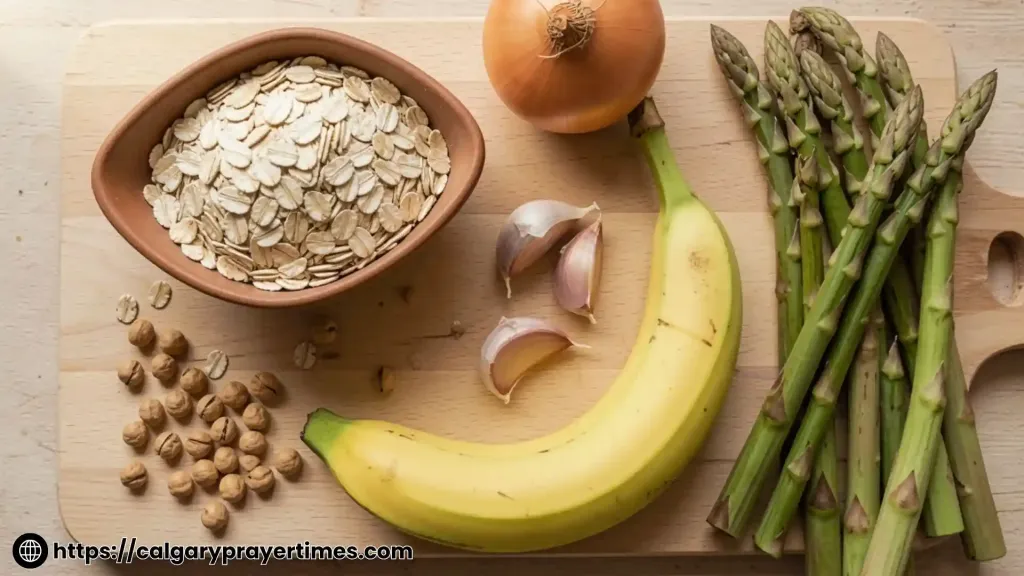
Prebiotic fibre is especially important, as it specifically feeds the most beneficial bacteria. Foods high in prebiotic fibre include: garlic, onions, leeks, bananas (especially slightly unripe ones), oats, asparagus, and chickpeas. Adding one or two of these to your daily meals is all it takes to make a real difference.
4. Drink Plenty of Water Throughout the Day
Your gut needs water to function well. Water helps move food through your digestive system, supports the production of digestive enzymes, and helps prevent constipation, which is one of the most common signs of an unhealthy gut. Most adults need about 1.5 to 2 litres of water per day, but many people drink far less than this without realising it.
A simple trick to drink more water: keep a large water bottle on your desk or kitchen counter where you can see it. Visible water prompts you to drink. If plain water feels boring, add a few slices of cucumber, lemon, or fresh mint to make it more enjoyable.
5. Reduce Ultra-Processed Foods
Ultra-processed foods, things like packaged biscuits, instant noodles, fast food, sugary drinks, and most ready meals, contain very little fibre and often contain additives, emulsifiers, and artificial sweeteners that have been shown to harm gut bacteria. Research published in Nature shows that certain common food additives directly damage the protective mucus layer that lines the gut wall, allowing harmful bacteria to enter the bloodstream.
You do not need to eliminate all processed food overnight. The goal is simply to reduce the proportion of your diet that comes from ultra-processed sources and replace it, over time, with whole, minimally processed foods. Even small reductions make a real difference to your gut microbiome. If you want to learn more about gut health in a really simple, interesting way, “Gut” by Giulia Enders is one of the best-selling gut health books on Amazon and one of the most enjoyable to read.
6. Manage Your Stress, It Directly Affects Your Gut
Stress is one of the most powerful and most overlooked causes of gut problems. When you are stressed, your body produces hormones that directly change the composition of your gut bacteria, increase gut inflammation, and alter how quickly or slowly food moves through your digestive system. This is why many people experience stomach problems during stressful periods of their lives. It is a real, physical response.
Managing stress through breathing exercises, mindfulness, regular movement, and good sleep does not just help your mind; it directly helps your gut. The gut-brain connection runs in both directions: a calmer mind means a calmer gut, and a healthier gut produces more calming brain chemicals in return.
7. Move Your Body Every Day, Even Just a Walk
Regular physical movement is one of the best things you can do for your gut health. Exercise increases the diversity of gut bacteria, speeds up digestion, reduces inflammation, and helps food move through the intestines more efficiently. You do not need an intense gym workout. Research shows that even a 20-minute walk every day significantly improves gut microbiome health over time.
If you want to make your daily walk more enjoyable, listen to a podcast, call a friend, or simply enjoy the outdoors. The goal is to move consistently rather than intensely
8. Sleep Well, Your Gut Heals While You Sleep
The relationship between sleep and gut health is circular: poor sleep harms gut bacteria diversity, and an unhealthy gut disrupts sleep by affecting the production of melatonin (the sleep hormone) and serotonin. Prioritising 7–9 hours of quality sleep each night gives your gut time to repair, regenerate its protective mucus layer, and rebalance its bacterial community. Many people notice significant improvements in their digestion after improving their sleep. One of the most effective ways to improve sleep quality naturally is with magnesium glycinate supplements from Amazon. Magnesium has been shown to improve sleep onset, reduce nighttime waking, and, interestingly, also support healthy gut bacteria production.
9. Eat Mindfully and Chew Your Food Well
Digestion begins in your mouth, not your stomach. Chewing breaks food into smaller pieces and mixes it with saliva, which contains enzymes that start the digestive process. When you eat quickly and swallow large pieces of food without properly chewing, your stomach and intestines have to work much harder, which leads to bloating, indigestion, and poor nutrient absorption.
Eating slowly and mindfully away from screens, with your full attention on your food, not only improves digestion but also helps you recognise when you are full, reduces overeating, and makes the experience of eating more enjoyable. Try putting your fork down between bites and chewing each mouthful thoroughly before swallowing.
10. Consider a High-Quality Probiotic Supplement
While food should always come first, a high-quality probiotic supplement can be a helpful addition to a gut-healthy routine, particularly after a course of antibiotics, during periods of high stress, or when travelling. Probiotics deliver live beneficial bacteria directly to your gut, helping to restore balance after it has been disrupted.
Look for a probiotic with multiple strains (at least 8–10 different bacterial species), a high CFU count (at least 10 billion per serving), and a proven delivery mechanism that protects the bacteria from stomach acid. Always choose a reputable brand with transparent ingredient labelling. This daily probiotic supplement from Amazon is one of the most popular and highly rated options right now. It contains 10 billion CFUs across multiple strains, uses delayed-release capsules to protect the bacteria from stomach acid, and has thousands of verified reviews from customers who report improved digestion, better mood, and clearer skin within the first month. It is non-refrigerated, making it very easy to take daily.

🌱 Step-by-Step: Start Your Gut Health Journey This Week
- Day 1–2: Add one fermented food to your day. A spoonful of yoghurt or kimchi with lunch is all you need.
- Day 3–4: Increase your plant variety. Add one new vegetable or fruit to your meals. Start your plant food tracking list.
- Day 5–6: Add a prebiotic food to your meals, a banana with breakfast, garlic in your dinner, or oats for breakfast.
- Day 7: Drink an extra glass of water each day. Keep a visible water bottle on your desk or counter.
- Week 2: Add a daily 20-minute walk. Focus on chewing your food more slowly. Reduce one ultra-processed food from your routine.
- Week 3+: Introduce stress management habits from our stress relief blog. Improve your sleep routine using our sleep hygiene guide. Consider adding a probiotic supplement.
❓ Frequently Asked Questions
🌱 A Healthy Gut Is the Foundation of a Healthy Life
Save this post to your wellness boards and share it with someone who needs it. If you shop any Amazon links in this post, a small commission supports us at no extra cost to you. Thank you! 🧡